Gender Equality
Gender inequality is an affront to human dignity, a challenge to the rule of law and an obstacle to development. Denying women of their rightful place in society – by depriving them of equal access to education, justice or livelihood – means robbing societies of the talent and potential of half of their members. In securing every social need from peace to food, the role of women has been shown to be paramount.
Although gender equality is increasingly a feature of national Constitutions, the law often continues to restrict women's rights and freedoms, dictates their submission to male relatives, or limits what they may own or inherit.
IDLO at COP29
![]()
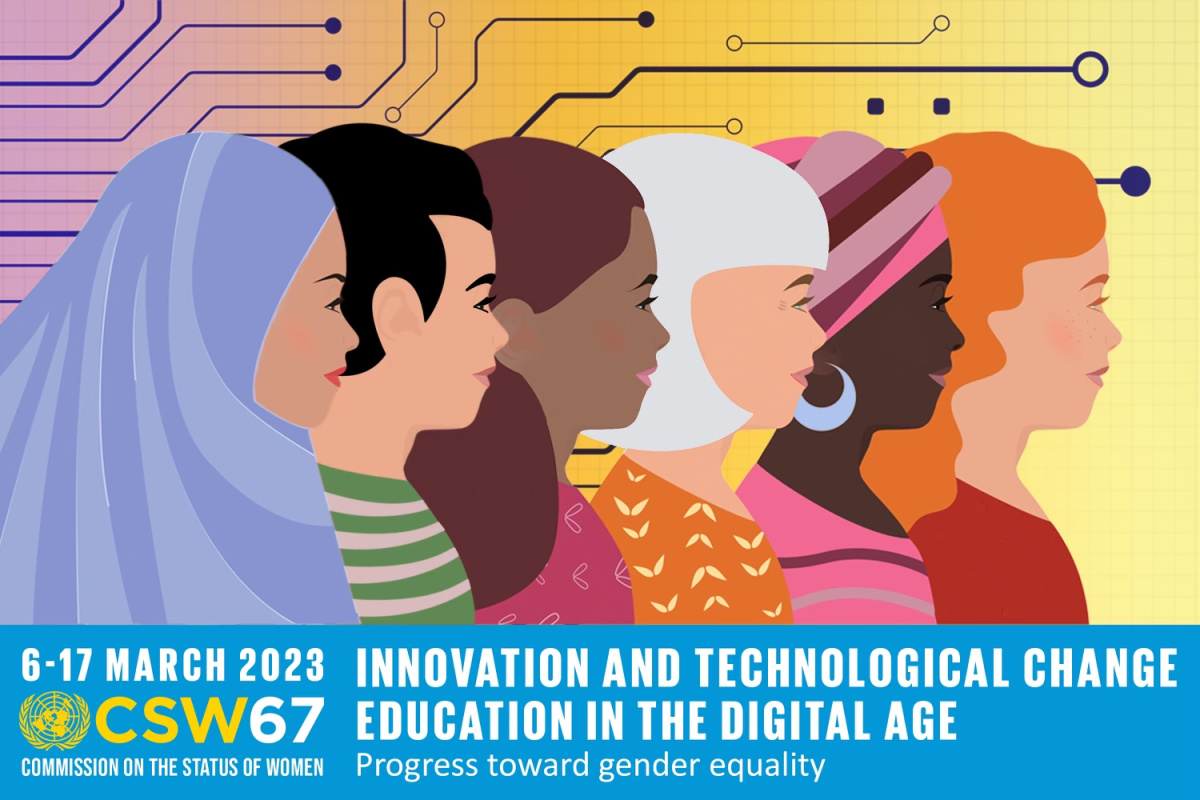
Learning from ASEAN: Achieving the SDGs for all and leaving no woman or girl behind
Statement by the Director-General, Ms Jan Beagle

HRC 56 | Annual full-day discussion on the Human Rights of Women
Statement by the International Development Law Organization (IDLO)

Building momentum and partnership at the nexus of land governance, climate and gender
33rd Session of the Commission on Crime Prevention and Criminal Justice
Statement by the Director-General, Ms Jan Beagle

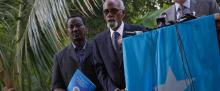
Empowering communities through Alternative Dispute Resolution Centres in Somalia
Pages
Key Initiatives
-
The COVID-19 pandemic poses a significant threat to the right to food for populations, and especially for marginalized groups. In many countries, COVID-19 is intertwining with pre-existing factors affecting food security and nutrition, by limiting the access to affordable and nutritious food, including lack of economic opportunities, extreme weather conditions, ongoing conflicts and more. -
For over 15 years, IDLO has been assisting the Government of the Islamic Republic of Afghanistan develop accessible, accountable, effective and efficient justice sector institutions. While significant progress has been made, many challenges remain, frequently perceived to be rooted in the ongoing conflict, the impact of insecurity and the public’s fear for their safety. There is a strong need to address the concerns and goals of the justice sector and find innovative solutions and methods to strengthen its resilience. -
Lack of access to a fair and equitable justice system is one of the most pressing problems confronting modern Somalia on its path towards stability and reconstruction. Informal justice systems, offering alternative dispute resolution are often much better placed to respond to the immediate justice needs of many Somalis seeking justice, as they have more legitimacy and are more easily accessible. To enhance access to justice in Somalia, it is therefore essential to engage with the alternative dispute resolution systems. -
The Government of Mongolia has taken a number of legislative and policy steps aimed at tackling domestic violence. While the new legal framework undeniably offers an improved, holistic and more victim-centered approach, its practical implementation and adherence to ensuring the needs of victims requires significant technical assistance, ongoing monitoring, and effective coordination among all the relevant actors.
Latest Activity
|
Policy Statements
|
|
Policy Statements
|