International Development Law Organization

Mongolia

English

Since 2012, IDLO has partnered with Mongolia to strengthen the rule of law, expand access to justice and promote transparency and accountability. Working closely with government institutions, the judiciary and civil society, IDLO supports reforms to combat corruption, enhance judicial transparency, strengthen alternative dispute resolution (ADR) and improve protection systems for women, children and vulnerable communities. Mongolia became an IDLO Member Party in 2015 and currently serves as Vice President of the Assembly of Parties for the 2024–2027 term.

Our impact in Mongolia includes:

Strengthening anti-corruption frameworks, transparency and public trust. IDLO has enhanced the capacity of key institutions, including the Independent Authority Against Corruption, to prevent, detect and investigate corruption, including through improved systems for asset declaration review and mutual legal assistance. In parallel, support to civil society and media actors has promoted greater public engagement in justice sector reform efforts, contributing to the implementation of Mongolia’s National Anti-Corruption Programme (2023–2030) and reinforcing transparency, accountability and public confidence in justice institutions.

Expanding access to justice through alternative dispute resolution and legal innovation. IDLO has supported the reform of Mongolia’s Mediation Law and the development of a more robust and regulated ADR system, including the introduction of enforceable mediation agreements and strengthened accreditation mechanisms. A pilot court-based paralegal programme has also been introduced and expanded, improving access to justice for court users, while broader efforts promote the use of mediation as an efficient and accessible alternative to litigation.

Strengthening protection systems for women, children and vulnerable groups. Through support to child protection frameworks and the national response to gender-based violence, IDLO has contributed to improved coordination, service delivery and reintegration mechanisms for vulnerable populations. This includes support for the rollout of Mongolia’s new Family and Youth Court and partnerships with civil society to deliver community-based and culturally responsive services across both urban and remote areas.
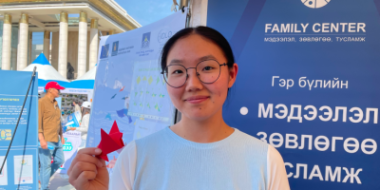
MONGOLIA: NATIONAL ASSESSMENT OF THE ENVIRONMENT, ACCESSIBILITY, SERVICE SCOPE, AND QUALITY OF ONE-STOP SERVICE CENTERS AND TEMPORARY SHELTERS IN MONGOLIA

This sub-project aims to strengthen Mongolia’s response to gender-based and domestic violence and provide survivors with improved access to protection services by conducting a comprehensive national assessment of One-Stop Service Centers (OSSCs) and temporary shelters that provide protection and support services to survivors.

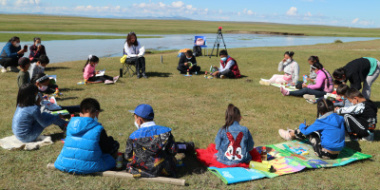
MONGOLIA: SAFE: BUILDING EMOTIONAL RESILIENCE AND PREVENTING GENDER-BASED VIOLENCE (GBV) AMONG ADOLESCENTS AT RISK

This sub-project aims to work with at-risk adolescents to reduce recidivism, support successful reintegration, and promote the institutionalization of trauma-informed gender-based violence (GBV) prevention interventions within Mongolia’s juvenile justice system. The Christina Noble Children’s Foundation at Mongolia’s Rehabilitation Centre for Youth is adapting and delivering a GBV-sensitive Aggression Replacement Training (ART) programme to approximately 25 detained adolescents, while providing psychosocial support and engaging families to reinforce positive behaviours.

Pages

Key Initiatives

  • Mongolia's justice system has seen progress in recent years, yet the need for greater judicial transparency, including through improved media coverage of court proceedings, remains. IDLO, with support from the European Union, is working with the Government of Mongolia to tackle the issue through the project "Judicial Engagement and Transparency."
  • Alternative dispute resolution (ADR) is an efficient and effective tool for settling disputes outside a courtroom. In Mongolia, where the growth of private sector activities has been accompanied by a rise in civil and commercial cases, ADR practices, such as mediation, are becoming increasingly popular.
  • The continued challenges Mongolia faces in implementing its anti-corruption reforms demonstrate a clear need for improvement in the immediate detection of corruption cases and stronger international cooperation and mutual legal assistance in corruption-related criminal matters.
  • Funded by the Delegation of the European Union to Mongolia, the “Child Protection Enhancement Project” (CPEP) builds on the results of its first phase of COVID-19 response programming addressing child access to justice in Mongolia. CPEP works to enhance the child protection system and support Mongolian children by building the technical and professional skills of Legal Committees for Child Rights (LCCRs) through mentorship and advanced training.
  • The COVID-19 pandemic and efforts to contain it have had severe and long-lasting impacts on Mongolia. Though prevention and containment measures have successfully prevented a large-scale health crisis, extended lockdowns have negatively affected children’s access to education, psychological and physical wellbeing and reduced the capacity of the Mongolian justice system to respond to crimes against children.
Subscribe to RSS - Mongolia